How Safe Are NDIS Group and Centre-Based Activities in 2026?
Safety in disability services has never been more important than it is today. Families and participants want to know their loved ones are protected during activities. The National Disability Insurance Scheme has implemented strict standards to ensure quality care. This guide explores the safety measures that make group and centre-based activities secure in 2026.
Understanding Current Safety Standards
The NDIS Commission enforces comprehensive safety protocols across all service providers. These regulations protect participants through regular audits and compliance checks. Registered NDIS service providers in Brisbane must meet rigorous requirements before offering services. Every provider undergoes thorough background checks and quality assessments.
Risk management frameworks ensure potential hazards are identified and addressed promptly. Staff training programs focus on emergency response and participant well-being. Safety standards have improved significantly compared to previous years.
What Makes Activities Safe Today?
Several key factors contribute to the safety of group activities:
- Qualified Staff: All support workers complete mandatory training in first aid and disability support
- Safe Environments: Venues undergo regular safety inspections and accessibility assessments
- Clear Protocols: Emergency procedures are documented and practised regularly
- Participant Ratios: Appropriate staff-to-participant numbers ensure adequate supervision
- Equipment Standards: All activity equipment meets Australian safety standards
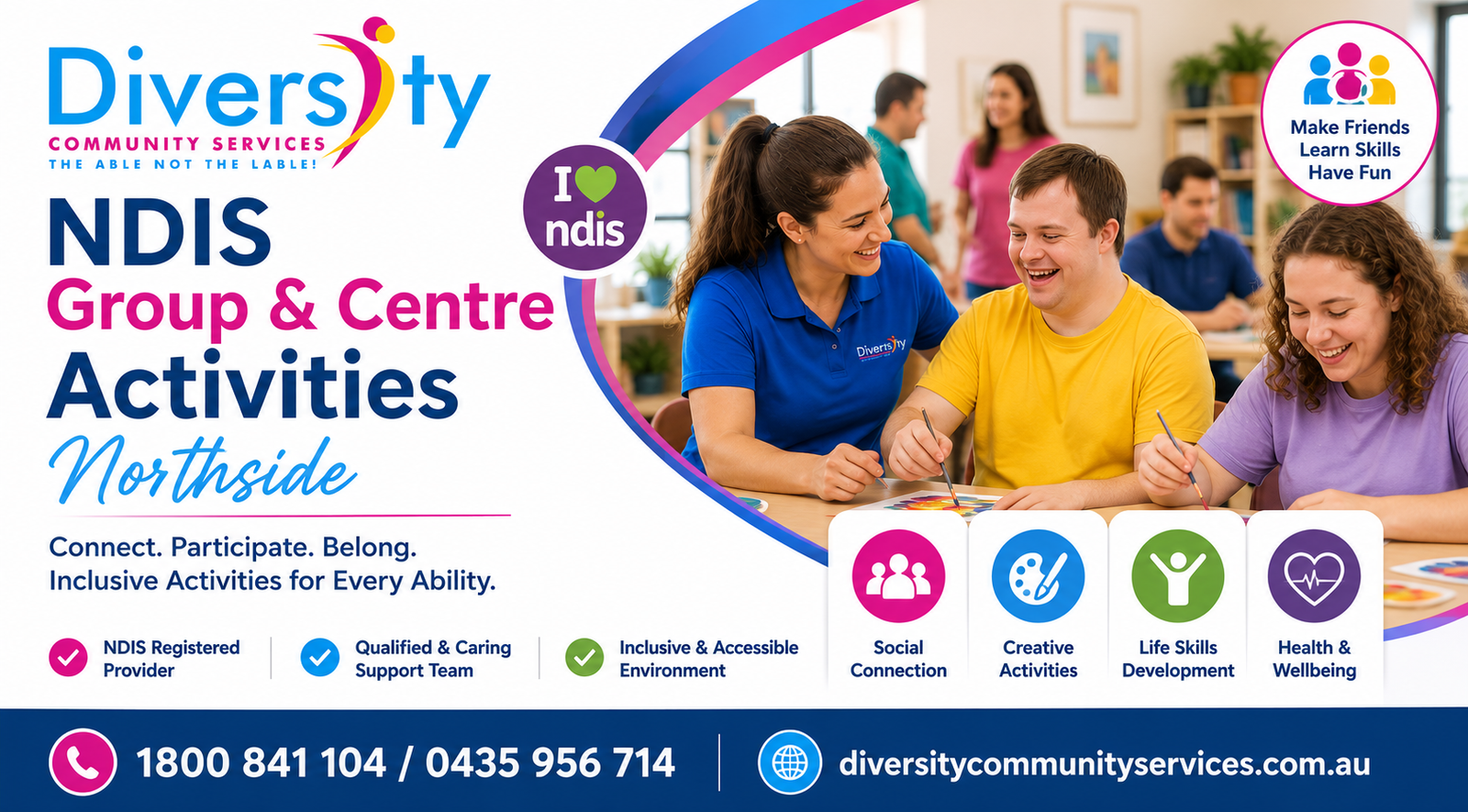
NDIS group & centre activities in Northside follow strict guidelines to maintain safe environments. Providers implement person-centred approaches that respect individual needs and preferences.

How Providers Ensure Ongoing Safety
Modern technology plays a crucial role in maintaining safety standards. Digital incident reporting systems allow immediate documentation of any concerns. Regular feedback mechanisms help providers improve their services continuously.
NDIS group and centre-based activities in Logan include advanced monitoring systems for participant safety. Staff members receive ongoing professional development to stay updated on best practices. Quality improvement processes ensure services remain effective and safe.
The Role of Safeguarding Measures
The NDIS Practice Standards require comprehensive safeguarding policies from all providers. These measures protect participants from abuse, neglect, and exploitation. Background screening for workers is mandatory across the sector.
An NDIS service provider in Logan implements restrictive practice frameworks when necessary for safety. These practices are closely monitored and require proper authorisation. Participants and families have clear pathways to raise concerns or complaints.
Participant Rights and Protections
Every participant has the right to feel safe during activities. The NDIS Code of Conduct ensures ethical behaviour from all workers. Participants can choose their providers and change services if unhappy.
Advocacy services support participants in understanding and exercising their rights. Regular check-ins ensure participants feel comfortable and secure in their environments. Families receive transparent communication about activities and any incidents that occur.
Looking Ahead: Continuous Improvement
The disability sector continues evolving to enhance safety standards further. New technologies and methodologies emerge to better protect participants. Provider accountability remains a top priority for the NDIS Commission.
Collaborative partnerships between providers, families, and participants strengthen safety outcomes. Regular reviews ensure standards keep pace with emerging needs and challenges.
Conclusion
Safety in NDIS group and centre-based activities has reached impressive standards in 2026. Robust regulations, qualified staff, and comprehensive protocols work together to protect participants. The commitment to continuous improvement ensures services remain safe and effective.
Choosing the right provider makes all the difference in your NDIS journey. Diversity Community Services Pty Ltd offers safe, supportive, and engaging activities for participants. Our experienced team prioritises your wellbeing and independence every single day.
Ready to experience quality NDIS support? Contact us today at 0435 956 714 or email info@diversitycommunityservices.com.au. Visit https://diversitycommunityservices.com.au/ to learn more about our comprehensive services.
Frequently Asked Questions
1. What qualifications do NDIS activity staff need in 2026?
All staff require NDIS Worker Screening Clearance and relevant disability support qualifications. First aid and CPR certifications are mandatory requirements. Many workers also hold additional specialised training certificates.
2. How often are NDIS centres inspected for safety?
The NDIS Commission conducts regular audits at least annually. Additional inspections occur following complaints or incidents. Providers also perform internal safety reviews quarterly.
3. Can families visit activity centres before enrolling?
Absolutely! Most providers encourage families to tour facilities before making decisions. You can observe activities and meet staff members during visits. This helps ensure the environment suits your needs.
4. What happens if an incident occurs during activities?
Providers must report incidents to the NDIS Commission immediately. Families receive prompt notification about any safety concerns. Detailed investigation and corrective actions follow every incident.
5. Are COVID-19 safety measures still in place?
Many providers maintain enhanced hygiene protocols from pandemic learnings. Specific measures vary based on current health advice. Staff training includes infection control practices as standard procedure.
6. How are participants protected from abuse or neglect?
Multiple safeguarding layers protect participants, including mandatory reporting requirements. The NDIS Commission investigates all allegations thoroughly. Support coordinators monitor participant well-being regularly.
7. What insurance coverage do NDIS providers maintain?
Registered providers must hold comprehensive public liability and professional indemnity insurance. This coverage protects participants in case of accidents or injuries. Insurance requirements are verified during registration processes.
8. Can participants choose their own activity groups?
Yes, participants have choice and control over their activities and groupings. Self-determination is a core principle of the NDIS framework. Providers work with individuals to match preferences and goals.
9. How are emergency situations handled during activities?
Every provider maintains detailed emergency response plans for various scenarios. Staff receive regular training in emergency procedures and evacuation protocols. Emergency contacts are kept updated and accessible always.
10. What feedback options exist for participants and families?
Providers offer multiple channels, including surveys, meetings, and feedback forms. Complaints can be directed to providers or the NDIS Commission. Regular satisfaction surveys help improve service quality continuously.